Tag: sound system culture

  • The WYFL Rhythm: DJ Mac’s 2026 Dancehall Takeover (Tracklist & Context)

    The WYFL Rhythm: DJ Mac’s 2026 Dancehall Takeover (Tracklist & Context)

    The streets don’t lie, and right now, the streets are screaming one name: DJ Mac. By March 2026, the ‘What You Feel Like’ (WYFL) rhythm hasn’t just entered the charts: it has colonized them. This isn’t your standard juggling; it’s a cultural shift. Produced by the powerhouse duo of DJ Mac and CrashDummy, the WYFL riddim is the definitive sound of the year, blending that signature Mac emotional weight with the raw, unpolished grit of the new ‘Genna’ generation.

    It’s the kind of production that forces you to feel something before you even hear the first lyric. The bass is heavy, the melodies are haunting, and the atmosphere is thick with the reality of 2026 Kingston.

    Why This Works: The Architecture of a Hit

    DJ Mac has mastered a specific frequency: a blend of “pain music” and street anthemics that resonates with anyone who has ever had to hustle. The WYFL rhythm works because it refuses to be background noise. It demands attention through its sonic texture: dark, spacious, and urgent.

    In an era where Dancehall tunes can sometimes feel over-produced and clinical, WYFL feels human. It’s got flaws. It’s got soul. It’s got that specific “grit” that separates a viral moment from a timeless classic. The production leans heavily into minor keys and reverb-soaked synth pads, creating a landscape where artists can either vent their frustrations or celebrate their victories.
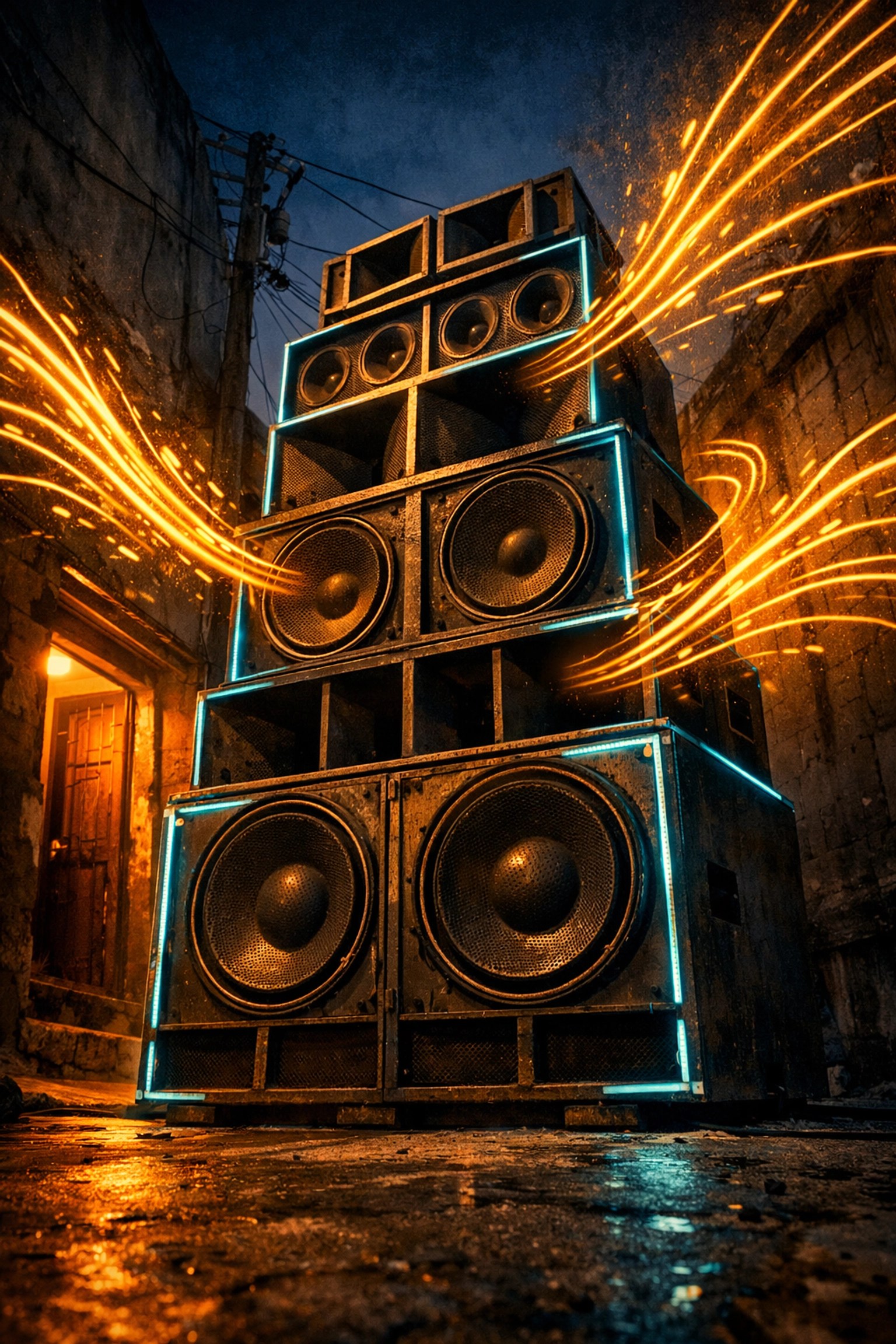
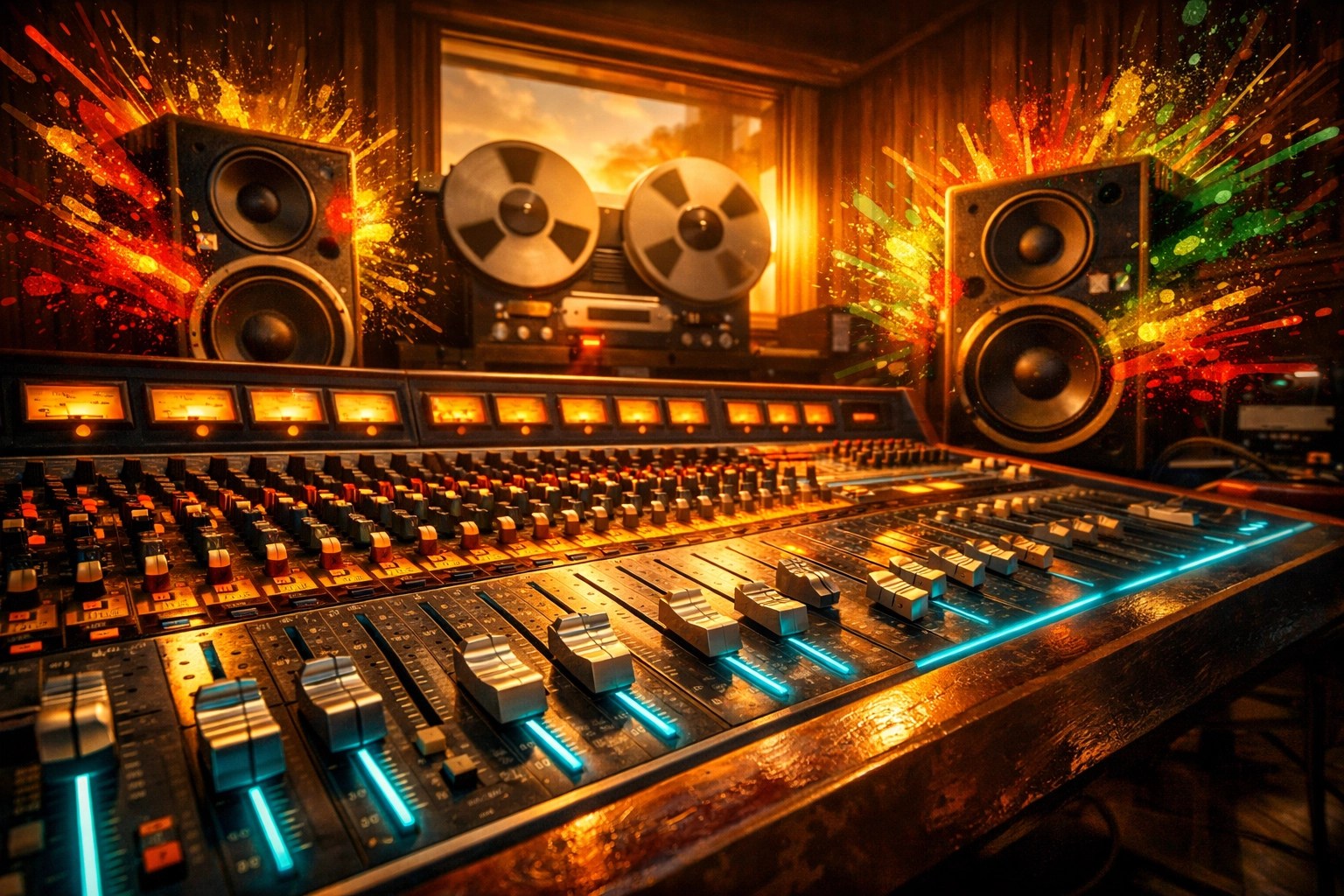
    A massive Kingston sound system stack in a dark alley representing the gritty WYFL dancehall rhythm.

    The Tracklist: The Heavy Hitters

    The project isn’t just a handful of songs; it’s a massive compilation featuring over 180 tracks across various edits, but a few key players have defined the narrative.

    Skippa : “WYFL”

    This is the lead anthem. Currently sitting comfortably in the Top 3, Skippa’s title track is the blueprint for the entire project. His cadence is relaxed but lethal. He isn’t trying too hard: he’s just stating facts. It’s the “What You Feel Like” lifestyle: unapologetic, self-assured, and rooted in the present moment. Skippa’s ability to ride the beat with a conversational flow makes the track feel like a direct message to the listener.

    Chronic Law : “Badness Upgrade 2.0”

    The Law Boss doesn’t miss. Chronic Law takes the WYFL rhythm and turns it into a gritty introspection on survival. “Badness Upgrade 2.0” isn’t just about violence; it’s about the evolution of the street code. Law’s voice, weathered and authoritative, perfectly complements the somber undertones of DJ Mac’s production. It’s a masterclass in modern street narrative.

    Valiant : “Oh When”

    Valiant brings the melodic infectiousness that has made him a global face for the genre. “Oh When” plays with the rhythm’s space, using silence as much as sound. It’s catchy enough for the radio but deep enough for the late-night drive. Valiant understands the emotional weight of the track and leans into it, proving why he remains at the top of the food chain in 2026.

    The Extended Roster:

    • Govana – “Pond Turtle”
    • Jahshii – “Expensive Structure”
    • Skeng – “No Flunk”
    • Stylo G – “Mukky”
    • Nigy Boy – “Risk It All”
    • Shatta Wale – “Big Lie Dat”

    WYFL in the Gospel Space: Crossover Reach

    The WYFL rhythm didn’t stay boxed in by dancehall codes. It crossed the aisle.

    D.A.Jay stepped in and delivered a gospel cut on the same WYFL rhythm—same cold bass, same haunted space, but the message flips from street testimony to spiritual testimony. And Pastor Ryan Mark’s presence in the conversation adds weight to that crossover, because it shows this riddim isn’t just a trending instrumental—it’s a platform people are using to speak to entirely different audiences.

    That’s reach. That’s impact. One rhythm, multiple realities—club, street, prayer.

    The ‘Genna’ Strategy: Investing in the Youth

    DJ Mac isn’t just a producer; he’s a scout. His dominance in 2026 stems from a deliberate strategy: working with the younger generation of ‘Genna’ artists. While others chase the established legends for a quick hit, Mac is in the studio with the newcomers, the ones still hungry, the ones whose lyrics are still stained with the dust of the road.

    This isn’t charity: it’s smart business. By aligning himself with the Genna movement, Mac ensures his sound remains relevant to the demographic that actually drives the culture. These artists bring a different energy: a frantic, high-stakes urgency that pairs perfectly with his atmospheric beats. He provides the professional structure; they provide the raw, unfiltered reality. This synergy is exactly why DubCorner is seeing such a massive surge in interest around these specific collaborations.

    Street Narratives and Emotional Weight

    The WYFL rhythm is part of a broader trend in 2026 Dancehall: the return of the “pain song.” For a few years, the genre leaned heavily into “party and trap” vibes, often losing the storytelling element that made it a global powerhouse. DJ Mac has brought that back.

    The “emotional weight” mentioned in every review of this riddim isn’t just about sad melodies. It’s about the tension between wanting a better life and the chaos required to get there. When you listen to Jahshii on “Expensive Structure” or Nigy Boy on “Risk It All,” you aren’t just hearing lyrics: you’re hearing a report from the front lines of the 2026 experience.

    It’s about the struggle: the wreckage of broken systems and the grit required to build something new.

    Story Behind the Sound: DJ Mac x CrashDummy

    The collaboration between DJ Mac and CrashDummy is one of the most successful partnerships in recent music history. They operate like a two-headed beast. Mac brings the ear for melody and the commercial sensibilities; CrashDummy brings the experimental edge and the technical precision.

    Their process is reportedly intense. They don’t just “make a beat.” They build a world. The WYFL rhythm went through dozens of iterations before the final version was released. They weren’t just looking for a hit; they were looking for a vibe: something that could hold up 180 different artists without becoming repetitive.

    This level of dedication is why their artist updates are always at the top of the news cycle. They aren’t just releasing music; they are curate-releasing culture.

    Close-up of a producer's hand on a mixing desk showing the technical production of the WYFL rhythm.

    Why WYFL Dominates 2026

    It’s easy to credit the success to the big names like Skippa or Chronic Law, but the real winner here is the consistency. In a digital landscape where music is consumed and discarded in seconds, the WYFL riddim has staying power. It has “legs.”

    It’s versatile. You can hear it in a car on Constant Spring Road, in a club in Brixton, or through headphones in a bedroom in Brooklyn. It’s a global language spoken through a Jamaican dialect. It bridges the gap between the old-school juggling culture: where multiple artists jump on one beat: and the modern era of single-driven streaming success.

    Perfect For:

    • Late Night Drifting: The spacious production is made for night drives.
    • The Hustle: Lyrics that validate the hard work and the risks.
    • The Sound System: The low-end frequencies are designed to shake the ground.
    • Lyrical Analysis: For those who still care about what is being said, not just how it sounds.

    Lyrics: A Taste of the Grit

    Skippa – “WYFL”
    “What you feel like? / No regular life / Man move precise / Price of the ice / Keep the circle tight…”

    Chronic Law – “Badness Upgrade 2.0”
    “Upgrade the system / No more glitching / Every move is a mission / Listen…”

    These lines aren’t complex, but they are effective. They capture the sentiment of a generation that is tired of talk and ready for action. They reflect the same urgency found in our features on Jahmi Roc: an artist who also understands the power of a final, definitive statement.

    The Verdict

    The WYFL Rhythm isn’t just the hottest juggling of 2026; it’s a timestamp. Years from now, when people look back at the sound of the mid-2020s, this is what they will point to. It’s the sound of the Genna generation finding their voice under the guidance of a producer who knows exactly how to frame their reality.

    DJ Mac and CrashDummy have set a bar that few will be able to clear this year. It’s authentic, it’s street-focused, and most importantly, it’s exactly what the culture needed.

    Check out the full rhythm and more updates:

    The takeover is here. What do you feel like?

  • Five Years of the Blackheart Man: Remembering Bunny Wailer’s Legacy

    Five Years of the Blackheart Man: Remembering Bunny Wailer’s Legacy

    Today marks five years since the transition of Neville O’Riley Livingston: the man the world knew as Bunny Wailer. On March 2, 2021, the last of the original holy trinity of reggae moved on to the ancestral realm, leaving behind a void that no one else can fill. He wasn't just a singer. He wasn't just a songwriter. He was the spiritual cornerstone of The Wailers, the one who carried the flame of the movement’s most esoteric and mystic dimensions.

    While Bob Marley became the global face and Peter Tosh became the militant revolutionary, Bunny remained the soul. He was the root that stayed deep in the Jamaican soil while the branches reached across the ocean. Five years later, his presence is felt every time a needle drops on heavy vinyl or a bassline rattles the ribs of a sound system.

    The Mystic of the Original Trio

    To understand Bunny is to understand the balance of The Wailers. In the early days of Trenchtown, Joe Higgs taught the trio how to harmonize, but Bunny brought a specific, haunting clarity to those arrangements. He was the "mystic." While Bob was focused on the message and Peter on the struggle, Bunny was often looking toward the divine.

    He was the one who most strictly adhered to the Nazarite vow. His refusal to tour excessively in the early '70s: a move that contributed to the eventual fracturing of the original lineup: wasn't about a lack of ambition. It was about a commitment to a lifestyle that required unprocessed foods, meditation, and a connection to the land that the grueling grind of international touring threatened to disrupt.

    He chose the hills over the hotels. He chose the meditation of the country over the chaos of the city. That choice defined the frequency of his music. It gave his work a weight and a spiritual "thickness" that feels different from the polished output of his contemporaries.

    Mystic Rastafarian figure in the misty Blue Mountains of Jamaica, reflecting the roots of Bunny Wailer’s music.

    1976: The Masterpiece Called Blackheart Man

    When the original Wailers disbanded in 1973, the world waited to see what the "quiet one" would do. In 1976, he answered with Blackheart Man. It remains, arguably, the greatest debut solo album in the history of reggae music.

    The title track itself is a masterpiece of storytelling and social commentary. In Jamaican folklore, the "Blackheart Man" was a boogeyman figure used by parents to scare children into staying home: a mysterious traveler who would take your heart. Bunny flipped the script. He reclaimed the term, identifying the Blackheart Man not as a monster, but as the Rasta: the rejected, the misunderstood, the one who wanders the wilderness in search of truth.

    It’s a song about the fear of the unknown and the eventual realization that what we fear is often where the wisdom lies. The cadence of the track is slow, deliberate, and hypnotic. It doesn't rush you. It forces you to sit with the narrative. This is roots reggae at its most intellectual and most visceral.

    Dreamland and the Vision of Zion

    You cannot talk about Bunny Wailer without talking about "Dreamland." Originally written and recorded during his time with the group, the version on the Blackheart Man album is the definitive one.

    "There's a land that I have heard of, far away across the sea…"

    It is the ultimate anthem of repatriation and spiritual longing. It’s a song that feels like a lullaby and a prayer simultaneously. The harmonies are lush, layering like clouds over a steady, heartbeat rhythm. It captures the essence of the Rastafarian dream: a return to a state of grace and a physical home in Africa.

    Listening to "Dreamland" today, five years after his passing, it feels like Bunny finally reached that destination. It’s a track that continues to anchor our Upful Vibes Playlist, serving as a reminder that reggae is more than entertainment; it’s a vessel for the soul's journey.

    World Crisis - Blaz Mob Album art

    The Transition: From Group to Solo Identity

    The shift from being a member of the world’s biggest reggae group to a solo artist is a treacherous path. For Bunny, it was a metamorphosis. He stopped being just a harmony singer and emerged as a master of the "one-drop" rhythm and a visionary producer.

    He took the foundation laid in the Studio One and Lee "Scratch" Perry eras and expanded it. His solo career wasn't just a continuation of The Wailers; it was a refinement. He brought a sense of dignity to the genre that was undeniable. Whether he was singing about the "Rastaman" or the "Fig Tree," his lyrics were steeped in biblical allegory and the lived reality of the Jamaican experience.

    His work during this era set the standard for what we now call "Roots." It wasn't just about the beat; it was about the intention. This is something we often discuss in our music education sections: the importance of the "feel" over the technical perfection. Bunny had both, but the feel always led the way.

    The Guardian of the Legacy

    In his later years, Bunny became the de facto gatekeeper of The Wailers' history. He won three Grammy Awards: all for albums that either paid tribute to the group's legacy or revisited the classic roots sound.

    1. Time Will Tell: A Tribute to Bob Marley (1991)
    2. Crucial! Roots Classics (1995)
    3. Hall of Fame: A Tribute to Bob Marley's 50th Anniversary (1997)

    He understood that as the last surviving member, it was his duty to ensure the story was told correctly. He didn't let the industry's tendency to commercialize the movement dilute the message. He remained vocal, sometimes controversially so, about the rights of the original creators and the spiritual purity of the music.

    Three male reggae artists

    The Technical Soul: Production and Sound

    For those of us at DubCorner who live in the studio, Bunny’s technical contribution is just as important as his vocal one. He was a multi-instrumentalist who understood the architecture of a track. He knew where the percussion needed to sit to create that "walking" feel. He understood the frequency of the bass: how it needed to be heavy enough to move the earth but clean enough to let the message through.

    His production style on the Solomonic label was a masterclass in independent music ownership. He was an early pioneer of the "DIY" spirit that we see today in the digital music landscape. He owned his masters, he directed his visuals, and he maintained control over his brand long before that was a standard industry buzzword.

    Vintage 1970s analog recording studio console, representing the independent production of classic roots reggae.

    Why He Still Matters in 2026

    Five years after his death, the world is a louder, more chaotic place. We are dealing with global crises, social injustice, and a digital landscape that often feels shallow. In this environment, Bunny Wailer’s music acts as a grounding wire.

    When you hear a track like "Battering Down Sentence," you aren't just hearing a song about prison life; you're hearing a critique of the "Babylon" system that continues to marginalize the poor. His music is a tool for survival. It provides the "life, health, and strength" he often spoke about in interviews.

    For the new generation of artists: the ones we feature in our lyrics breakdowns: Bunny is the blueprint. He showed that you can be successful without compromising your soul. He proved that the most "local" stories, when told with enough heart, become the most universal ones.

    The Final Verse

    Bunny Wailer was the last of the Mohicans. When he left us, an era of reggae ended, but the era of his influence is just beginning to mature. He taught us that the "Blackheart Man" isn't someone to be feared, but someone to be understood. He taught us that "Dreamland" isn't a place you find on a map, but a state of mind you cultivate through faith and music.

    As we look back on these five years, we don't mourn his death as much as we celebrate the fact that he was here at all. He gave us the spiritual depth that defined an entire era of roots reggae. He was the anchor, the mystic, and the soul.

    Rest in power, Jah B. The music continues.

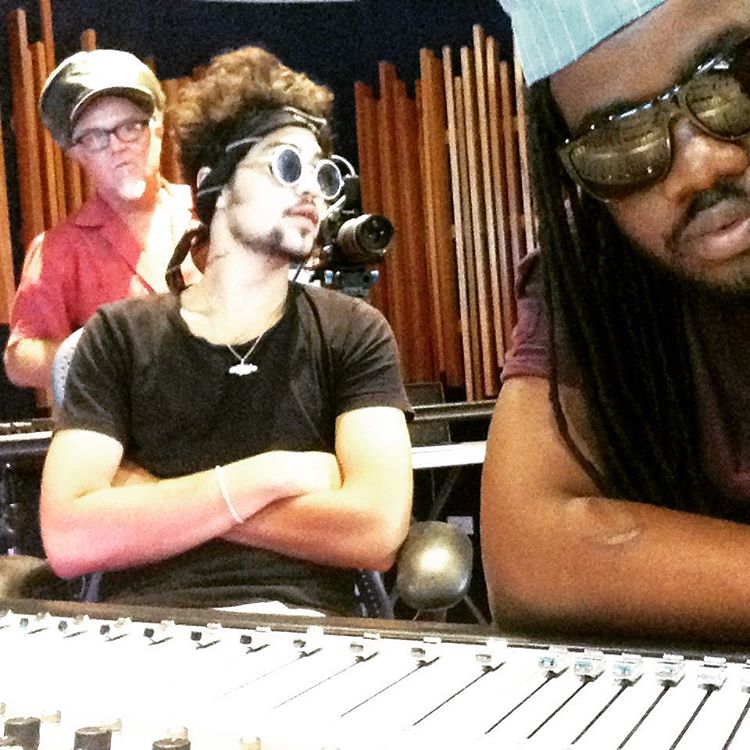
    Producers in a recording studio

    Explore More on DubCorner:

  • Samba-Reggae Heat: Why Brazil’s Carnival 2026 is the Global Soul of the Sound System

    Samba-Reggae Heat: Why Brazil’s Carnival 2026 is the Global Soul of the Sound System

    Forget Rio for a second. The real pulse of Brazil's Carnival 2026 isn't happening in the Sambadrome with sequined costumes and perfectly choreographed parade floats. It's exploding in the streets of Salvador, Bahia, where samba-reggae was born, where the sound system culture meets Afro-Brazilian resistance, and where the Caribbean and South America have been locked in a musical conversation for decades.

    This isn't just party music. This is heritage. This is what happens when reggae's one-drop riddim collides with the polyrhythmic fury of Brazilian drumming, when Bob Marley's message travels south and gets reinterpreted through the lens of Black Brazilian struggle. Salvador's Carnival 2026 is the moment to understand how deeply connected the African diaspora's musical expressions really are, and why samba-reggae might be the most underrated genre in the global sound system movement.

    Olodum: The Birth of Samba-Reggae

    In 1979, a group of young Black Brazilians in Salvador's Pelourinho neighborhood formed Olodum, not just a band, but a cultural and political movement disguised as a carnival bloco. They looked at traditional samba and asked a simple question: What if we slowed it down? What if we mixed it with reggae's bass-heavy groove and made something that felt like resistance?

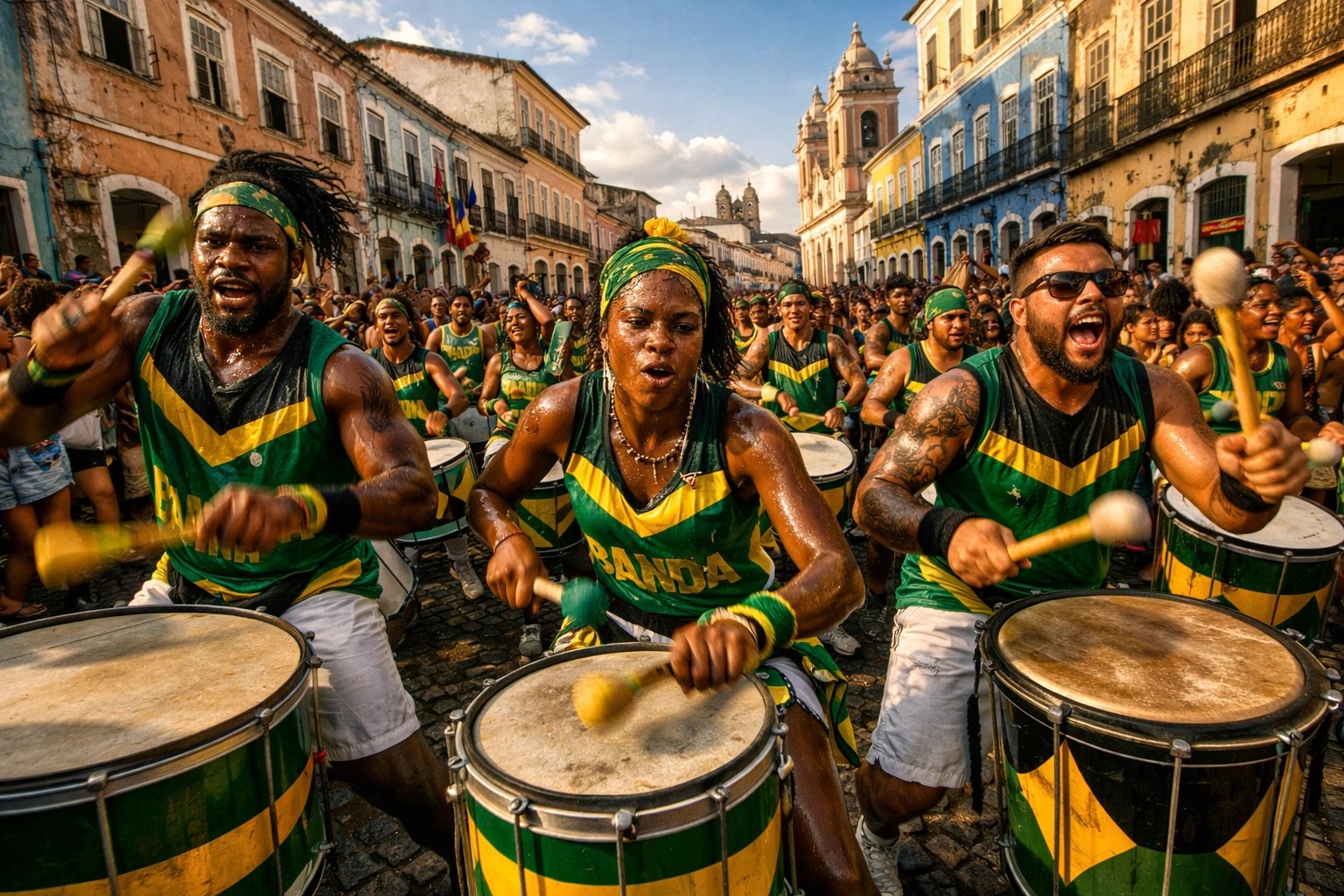
    Olodum drum corps performing samba-reggae at Salvador Carnival in Pelourinho

    The result was samba-reggae: a hypnotic, percussion-driven sound that takes the syncopated intensity of samba and fuses it with reggae's steady, defiant pulse. Olodum's drum corps, sometimes 200 deep, became the heartbeat of Salvador's Carnival. Their rhythms weren't just entertainment. They were declarations. Songs like "Faraó Divindade do Egito" and "Revolta Olodum" celebrated African history and Black pride in a country that had spent centuries trying to erase both.

    By the 1980s, Olodum was collaborating with Paul Simon ("The Obvious Child" features their drums prominently) and Michael Jackson (who filmed the "They Don't Care About Us" video in Pelourinho with Olodum). But for all the international shine, the core mission never changed: use music as a tool for education, empowerment, and visibility for Afro-Brazilian culture.

    Carnival 2026 in Salvador means Olodum is back in the streets, leading the charge with their signature green-and-yellow colors, their relentless drum battalions, and their unapologetic Afro-centric message. This isn't background music. This is a movement.

    The Caribbean Connection: Reggae's Brazilian Cousin

    Here's where it gets heavy for anyone who grew up on reggae and dancehall: samba-reggae is the sound of Jamaica meeting Bahia.

    In the 1970s, reggae, especially Bob Marley's music, flooded into Salvador's Black communities. The riddim resonated because it spoke the same language: struggle, spirituality, survival, joy. Brazilian musicians didn't copy reggae. They absorbed it, mixed it with their own drum traditions (congas, surdos, repiniques, timbaus), and created something entirely new but unmistakably rooted in the same soil.

    The connection runs deeper than just rhythm. Bahia is the spiritual home of Candomblé, the Afro-Brazilian religion that survived slavery and colonization, much like Rastafari in Jamaica. Both are rooted in African traditions. Both use music as ritual, as resistance, as celebration. When Olodum talks about African kings and queens, when they invoke Yoruba orishas in their lyrics, they're doing the same cultural work as roots reggae artists chanting down Babylon.

    Samba-reggae is what happens when the African diaspora reconnects with itself across borders. It's the proof that the sound system culture isn't just Jamaican, it's Pan-African.

    Timbalada: The Evolution of the Sound

    If Olodum planted the seed, Timbalada took samba-reggae to another level. Founded in 1991 by percussionist Carlinhos Brown, Timbalada stripped the sound down to its percussive essence. No horns. No vocals (at least not always). Just drums, and more drums.

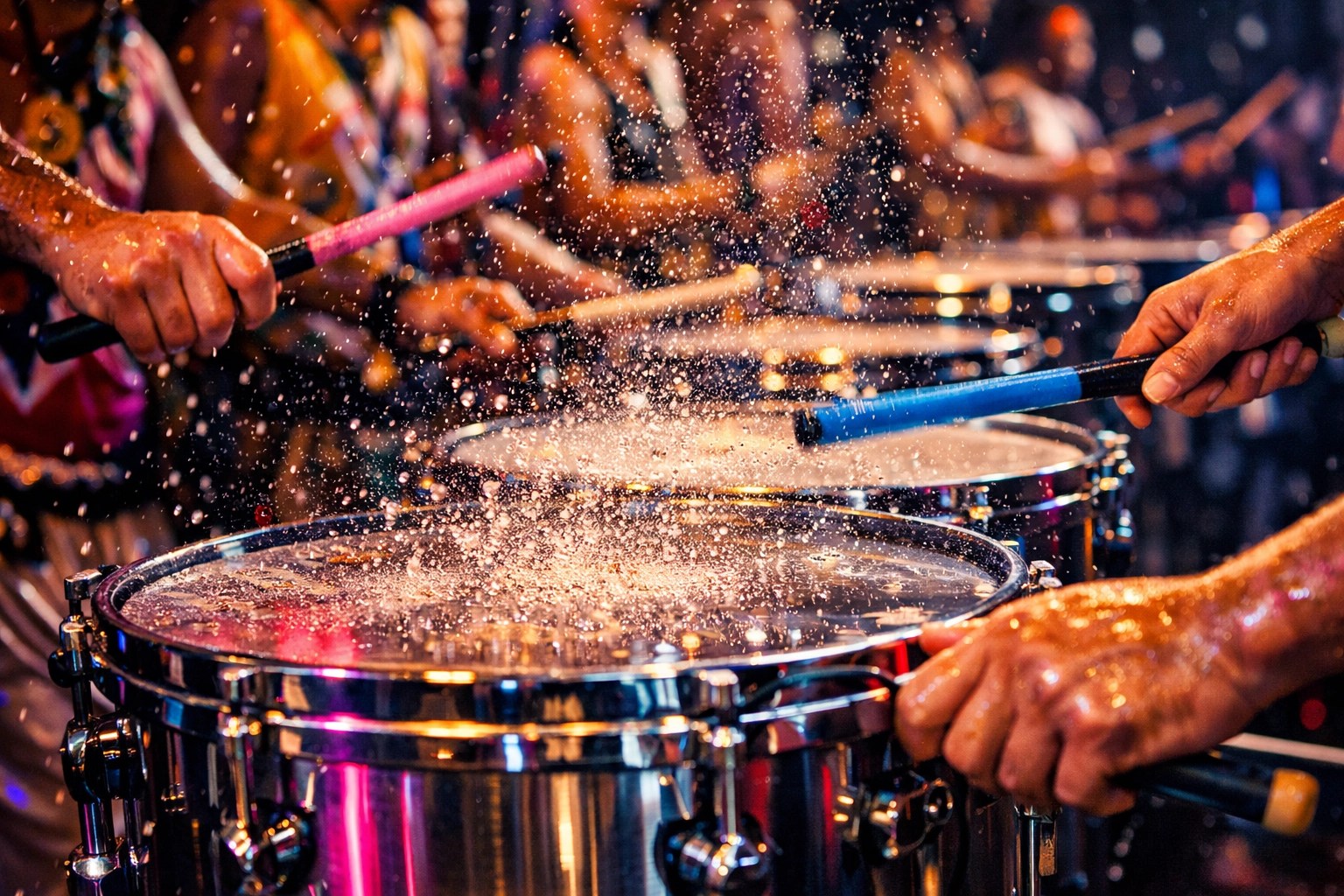
    Timbalada percussionists playing timbal drums during Salvador Carnival 2026

    Timbalada's innovation was the timbal, a high-pitched metal drum that cuts through the chaos of Carnival like a machete. Their style is faster, more aggressive, more trance-inducing. Where Olodum grooves, Timbalada attacks. Their performances are physical, drummers moving in synchronized formations, sweat flying, arms blurring, the entire bloco moving like one organism.

    Carlinhos Brown also understood the global potential of samba-reggae. He worked with everyone from Sérgio Mendes to will.i.am, bringing Timbalada's rhythms into pop, electronic, and world music spaces without diluting the core intensity. His 2026 Carnival appearance is expected to be one of the highlights, a reminder that samba-reggae isn't nostalgia. It's living, evolving, expanding.

    Trio Elétricos: The Sound System on Wheels

    Now imagine a sound system: but it's a three-story truck, covered in speakers, blasting 100,000 watts of sound, and rolling slowly through the streets while thousands of people follow behind, dancing, jumping, and singing for hours. That's a trio elétrico, and it's the lifeblood of Salvador's Carnival.

    Trios elétricos were invented in Bahia in the 1950s, and they've become the ultimate expression of street-level carnival energy. The trucks carry live bands or DJs, and the sound is overwhelming: bass so heavy you feel it in your chest from blocks away, treble sharp enough to cut through the noise of the crowd. It's chaos and precision at the same time.

    For samba-reggae blocos like Olodum and Timbalada, the trio elétrico is the stage. But it's also a symbol: the music doesn't belong in a theater or a festival grounds behind gates. It belongs in the streets, accessible to everyone. The trio elétrico is democracy on wheels, a moving party that anyone can join.

    The Social Movement Behind the Music

    Olodum wasn't just about making people dance. From the beginning, the organization ran education programs, job training, and cultural workshops in Salvador's poorest neighborhoods. They used Carnival revenue to fund schools and community centers. They taught kids about African history, about slavery, about resistance: using samba-reggae as the entry point.

    This is the part that often gets lost in the spectacle of Carnival: samba-reggae was born out of necessity. In the 1970s and 80s, Black Brazilians in Bahia faced systemic poverty, police violence, and cultural erasure. Olodum said: We're going to take our space. We're going to celebrate ourselves. We're going to be loud.

    Carnival became the platform. The music became the weapon. And every February, when Olodum rolls through Pelourinho with thousands of people behind them, it's not just a party. It's a reminder that Black culture in Brazil is resilient, creative, and undefeated.

    Global Carnival Season: Machel's Trinidad & Salvador's Fire

    While Salvador's Carnival is heating up, it's worth noting that 2026 is shaping up to be a historic year for the entire global carnival circuit. Over in Trinidad, Machel Montano just set an all-time Road March record with his 2026 release, cementing his status as the undisputed king of soca. Trinidad's Carnival is known for its organization, its massive production value, and its ability to turn soca into a global export.

    Salvador's Carnival is the opposite energy: rawer, more chaotic, more rooted in the streets than the stage. But both carnivals share the same DNA: African rhythms, colonial resistance, and the belief that music can be both celebration and protest. Machel's soca and Olodum's samba-reggae come from different places, but they're part of the same story.

    The fact that both carnivals are peaking in the same year: Machel breaking records, Olodum and Timbalada leading Salvador's streets: shows the power and diversity of the African diaspora's carnival culture. It's not a competition. It's a conversation.

    Why This Matters to Sound System Culture

    For anyone who's ever stood in front of a reggae sound system and felt the bass rattle their bones, samba-reggae should feel familiar. It's the same principle: heavy low-end, communal experience, music as ritual.

    Salvador's Carnival 2026 is a reminder that the sound system tradition isn't just Jamaican. It's a Pan-African inheritance. The trio elétricos are sound systems on wheels. The blocos are sound system crews. The Carnival itself is a week-long session where the entire city becomes the dance.

    If you've ever wondered what reggae would sound like if it grew up in Brazil, this is the answer. If you've ever wanted to see what happens when 200 drummers lock into the same riddim and don't stop for three hours, this is where you go. Salvador's Carnival isn't just a party. It's the living, breathing proof that the African diaspora's musical traditions are still connected, still evolving, still unstoppable.

    Olodum and Timbalada aren't just playing music. They're keeping the fire lit. And in 2026, that fire is hotter than ever.

    The Heat on the Street: Carnival 2026 Must-Watch

    Four quick drops to lock you into the Salvador frequency—drums, bass, sweat, and that “keep moving or get left” energy.

    1. Léo Santana — “Perna Bamba” (Carnival-ready chaos)
      YouTube: https://www.youtube.com/watch?v=qoKJs0Lf7-o
      This one is pure street command. The groove hits and the whole crowd turns into choreography—no rehearsal, just instinct. Big hook, big bounce, and that Bahian swing that makes the pavement feel like a dancefloor.

    2. Olodum — high-energy street context (culture in motion)
      YouTube: https://www.youtube.com/watch?v=shVh1VR4drk
      This is the blueprint in real time—drum corps pressure, Pelourinho atmosphere, and the kind of call-and-response energy that feels like a whole neighborhood singing through the snares. Not “content.” Cultural artillery.

    3. Timbalada — live percussion pressure (timbal in the chest)
      YouTube: https://www.youtube.com/results?search_query=Timbalada+2026+ao+vivo
      Timbalada doesn’t “perform,” they detonate. The timbal cuts through everything—sharp, bright, relentless—while the groove keeps rolling like a truck full of subwoofers. Pick any recent live clip and it’s instant sweat.

    4. Fusion Spotlight — Samba x Dancehall blend (diaspora link-up)
      Samantha J — “Bad Like Yuh”
      YouTube: https://www.youtube.com/watch?v=8qCTkXGTzE4
      This is that cross-water connection—samba swing in the rhythm, dancehall attitude in the delivery. Same mission as samba-reggae, just wearing a different outfit: bass-first, waistline-forward, built for the party and the playlist.