Tag: Roots Reggae

  • Music Videos to Revisit: Blaze Mob’s “Rastafari Children” (Now on VEVO) and Jahmi Roc’s “Safe and Sound” ft. Mr Suprize

    Music Videos to Revisit: Blaze Mob’s “Rastafari Children” (Now on VEVO) and Jahmi Roc’s “Safe and Sound” ft. Mr Suprize

    Some songs deserve a second wind. A tune drops, it finds its people, and then life moves fast and the next release comes knocking. But a good video can keep a song travelling, and a wider release can put it in front of a whole new crowd. So this one is a little reminder, from my corner to yours, about two music videos worth revisiting. First up is Blaze Mob with “Rastafari Children.” Then comes Jahmi Roc with “Safe and Sound,” featuring Mr Suprize.

    Blaze Mob – “Rastafari Children” (Official Music Video, Now on VEVO and Apple Music)

    Rastafari Children single cover art by Blaze Mob
    Official “Rastafari Children” cover art.

    Blaze Mob have always carried a certain fire, and “Rastafari Children” shows the more reflective side of that fire. Produced by Dale Dizzle Virgo, it’s a song that speaks to roots, to family and to the next generation coming up under the teachings of Rastafari. It doesn’t try to preach. It just lifts the message up and lets it breathe. The song and its video both first came out in 2024, so this isn’t a premiere. It’s a tune that keeps finding new ears.

    What’s new is the reach. The official video is now on VEVO through the BlazeMobVEVO channel and on Apple Music, distributed via Tuff Gong/Virgin. For a roots tune with a message like this, that’s a real blessing, and I’m proud to see it travel. Watch it with the volume up. Then watch it again and pay attention to the words, because this is a song meant to be heard all the way through, not just played in the background.

    The song itself has been out since October 4, 2024, and some of you have been riding with it for two years now. Its wider release on VEVO and Apple Music is the perfect excuse to run it back. Stream “Rastafari Children” on Spotify, Apple Music or Deezer.

    If you already know the song, give the video another look. If you’re new to it, this is the perfect place to start. Share it with somebody who needs a reminder of where we come from and where we’re heading, because that’s what “Rastafari Children” is about: passing the light forward.

    Jahmi Roc – “Safe and Sound” ft. Mr Suprize (Official Music Video)

    Jahmi Roc and Mr Suprize together, the duo behind Safe and Sound
    Jahmi Roc and Mr Suprize.

    Then we switch the mood. Jahmi Roc brings a warmth to “Safe and Sound” that feels like a hand on your shoulder. She sings about protection, about trust, about that feeling of being held when the world outside is rough. Mr Suprize steps in and gives the tune a different texture, and the two voices sit together nice, nice. I produced the riddim as Dale Dizzle Virgo, and hearing the two of them on it still makes me smile. It’s a love song, but it’s also a song about peace of mind, and everybody could use a little more of that right now.

    The official video is live on JahmiRocVEVO, and it gives the song exactly the visual it needed. Jahmi Roc carries the screen with the same calm confidence she brings to the mic, and the whole thing feels honest. It doesn’t feel forced or overdone. It’s just good music and good energy.

    Stream or save “Safe and Sound” here: hypeddit.com/jahmiroc/safeandsound.

    Put this one on for somebody you love. Better yet, put it on for yourself on one of those days when you need to feel steady again. “Safe and Sound” is that kind of tune.

    Why Give These Songs Another Spin

    Blaze Mob members Shaka and Gong
    Blaze Mob: Shaka and Gong.

    In this music business, everything moves at a speed. A song gets a week or two of attention, and then people move on to the next thing. But good music doesn’t expire. A video gives a song a second doorway. Somebody who scrolled past the audio might stop for the visual. Somebody who loved the tune might catch a detail they missed the first time. And every view, share and comment helps independent artistes like Blaze Mob and Jahmi Roc keep building.

    That’s the spirit of DZL Records as a label: we stand behind the artistes and keep pushing the music long after release day. These two videos show two different sides of what we love. One is a roots message for the children of Rastafari. The other is a warm, steady love song for anybody who needs to feel safe.

    How You Can Support

    Watch the videos, like them, and drop a comment on YouTube. Let the artistes know the music reached you. Subscribe to BlazeMobVEVO and JahmiRocVEVO so you catch the next one first. Then share these videos with a friend, add the songs to your playlists and keep the vibes moving.

    And if you’re looking for more from the Blaze Mob camp, check out our feature on “Blazing,” the Blaze Mob ragga rave tune, which is also on Spotify and Apple Music.

    Two songs, two videos and plenty of reasons to press play again. Big up Blaze Mob, big up Jahmi Roc and Mr Suprize, and big up everybody who keeps supporting independent reggae. More soon from the corner.

    One love,
    Dale Dizzle Virgo

  • Blaze Mob’s “Rastafari Children” Video Now on VEVO and Apple Music

    Blaze Mob’s “Rastafari Children” Video Now on VEVO and Apple Music

    Some tunes are built to last, and Blaze Mob‘s “Rastafari Children” is one of them. The roots single came out in October 2024, and its music video was originally released in 2024 as well. Now both are reaching new screens. The official “Rastafari Children” video is available on VEVO through the BlazeMobVEVO channel and as a music video on Apple Music, distributed via Tuff Gong/Virgin. If you missed it the first time, or you’ve been riding with it from day one, this is your reason to revisit it.

    Blaze Mob Rastafari Children official music video title art
    “Rastafari Children” by Blaze Mob.

    Blaze Mob’s “Rastafari Children” Video Now on VEVO and Apple Music

    Blaze Mob is a roots reggae trio, made up of Shaka Rock, Gyasi Gong and King Saeed. Even their name carries a mission: Born Leaders Are the Zenith of Existence, Moving Over Barriers. If you’ve followed them, you know they don’t make music just to fill space. Every tune has something to say, and “Rastafari Children” might say it the plainest of all. It’s a song about identity, heritage and passing the light forward.

    I produced this one as Dale Dizzle Virgo, and it’s a blessing to watch it keep travelling two years on. The audio came out on October 4, 2024, and the video followed that same year. What’s changed is the reach. A song that started on independent channels now sits on VEVO and Apple Music, which opens a whole new doorway. Somebody browsing Apple Music videos or flipping through VEVO might find Blaze Mob for the first time.

    Where to Watch “Rastafari Children”

    More video platforms may follow as distribution rolls out, and I’ll update this post as they do. Watching on the official channels matters. Those views count for the artistes, and they help push conscious reggae in front of new eyes.

    A Message That Still Speaks to the Next Generation

    The heart of “Rastafari Children” is simple. The children are the future, and what we teach them now is what the world becomes. Rastafari has always carried that respect for family, for livity and for knowing where you come from. Blaze Mob takes that teaching and puts it on a riddim you can feel in your chest. The song doesn’t preach. It invites you in, the way an elder talks to the youth at the gate: patient, warm and firm.

    Two years on, that message hasn’t aged a day. Young people are still pulled in a hundred directions, and a song like this still works as an anchor. It reminds them that they come from somewhere and that the culture is theirs to carry. It reminds the rest of us that we have a responsibility to pass it on in good order.

    Good Music Doesn’t Expire

    Every independent artiste knows the music business can move slow. You put out a song, you believe in it, and you keep pushing long after release day. “Rastafari Children” proves that patience pays. Two years after release, the tune and its video are now distributed via Tuff Gong/Virgin and sit on VEVO and Apple Music next to the big names. For a roots trio building from the ground up, that’s a real step, and DZL Records as a label is proud to stand behind it.

    Stream the Song

    Rastafari Children single cover art by Blaze Mob showing selectors at a sound system
    Official “Rastafari Children” cover art.

    Once you’ve watched the video, run the audio too:

    How You Can Support Blaze Mob

    Blaze Mob members Shaka and Gong
    Blaze Mob: Shaka and Gong.

    Watch the video on VEVO or Apple Music, like it, and drop a comment so the trio knows the message reached you. Subscribe to BlazeMobVEVO, add “Rastafari Children” to your playlists, and share the video with somebody who’s raising youth or working with them, because this song is for them.

    Big up Shaka Rock, Gyasi Gong and King Saeed, and big up everybody who keeps roots reggae alive. More soon from the corner.

    One love,
    Dale Dizzle Virgo

  • Jahmi Roc’s “Safe and Sound” ft. Mr Suprize: Watch the Official Music Video

    Jahmi Roc’s “Safe and Sound” ft. Mr Suprize: Watch the Official Music Video

    Jahmi Roc and Mr Suprize in the Safe and Sound music video

    Jahmi Roc has given her roots reggae prayer “Safe and Sound” a face. The official music video for the song, featuring Mr Suprize, arrived on October 6, 2026 on her VEVO channel, JahmiRocVEVO. It’s the latest chapter for a song that has been quietly finding its people since April.

    Watch Jahmi Roc’s “Safe and Sound” ft. Mr Suprize Official Video

    A Song That Works Like a Prayer

    If you’ve heard the record, you already know the line that carries it: “We feel safe and sound / Jah angel protect me.” It comes back again and again, and that repetition is the point. It works less like a chorus and more like something you say under your breath when the day gets heavy, the way an elder might whisper a psalm on the way out the door.

    The song opens with a spoken intro that walks “through the valley of the shadow of death” without fear. Then Mr Suprize takes the first verse and asks the question plenty of us need to hear: “Wah you ah worry fah, you shouldn’t worry yow.” From there he turns the old spiritual “This little light of mine” into a roll call. Shine from the mountain. Shine in the ghetto. Shine for the weak, the old and the young, even “for the gangster weh got the gun.”

    That’s the heart of this tune. Protection isn’t kept for the righteous few. It’s for everybody, including the ones the world has already written off. Jahmi Roc answers with the warmth and conviction she’s known for, and the two voices pass the message back and forth like a call and response at a yard session.

    Why the Video Matters

    The audio has been out since April 24, 2026, so the people who’ve lived with the song already have their own pictures for it. A video gives a record like this a second life. It puts the two singers in front of you, side by side, and turns the call and response you hear into something you can see. Landing on VEVO also puts “Safe and Sound” in front of a whole new audience. Before this, fans had the official visualizer that Jahmi Roc shared in April:

    Safe and Sound cover art, Jahmi Roc ft. Mr Suprize

    Behind the Riddim

    I produced “Safe and Sound” as Dale Dizzle Virgo, and the riddim has roots back home: I built it at Riddim Saturdays in Jamaica. I’ll be honest, this one was about restraint. A song built on a prayer doesn’t need a busy riddim. It needs a steady one, that feels like a heartbeat and space in the mix so every word lands. My job was to build the floor and then get out of the way so Jahmi and Mr Suprize could carry it.

    Jahmi Roc and Mr Suprize

    Who Is Jahmi Roc?

    Jahmi Roc is a self-described freedom singer and a scholar trained in musicology at UCLA’s Herb Alpert School of Music, where her work looks at how Black women’s reggae works as freedom singing and resistance. You can hear that study in her songwriting. Her music draws on reggae, dancehall, gospel, R&B and hip hop to make songs of healing and liberation, and “Safe and Sound” sits right in that tradition: conscious, spiritual and rooted.

    The single was added to KDVS 90.3 FM’s reggae singles list for May 2026. It also appears on her album Love Like Liberation, released July 17, 2026, a reggae-centered song cycle that treats love as a liberating force.

    Stream “Safe and Sound”

    If this song finds you on a hard day, share it. Somebody you know needs to hear “Jah angel protect me” right now. Big up Jahmi Roc and Mr Suprize.

    One love,
    Dale Dizzle Virgo

  • Out Now: Empress Truth Akins – What’s Important

    Out Now: Empress Truth Akins – What’s Important

    Some songs arrive like a checklist. This one arrives like a question you already know the answer to, if you stop long enough to hear it.

    On September 25, 2026 — her mother’s birthday — Empress Truth Akins releases “What’s Important” on DZL Records, produced by Dale Dizzle Virgo. The date is the point: a gift wrapped as a roots reggae single, dedicated to the woman who raised her, served her country, and kept working for veterans long after the uniform came off. Love, in other words, with a release calendar attached.


    Empress Truth Akins is a reggae artist, author, educator, Navy veteran, and healing-centered storyteller. She builds work across music, restorative justice, and the 8 Degrees of Yes platform — including her book Living Life to the Fullest, Eight Degrees of Yes — and she keeps returning to the same spine: truth, resilience, higher consciousness, and community uplift. When she introduces herself in the clips around this release, she names service first — Navy, children, community — then the reflection that service gives back. “What’s Important” carries that spine into a participatory chorus. You can feel the call-and-response before you finish the first listen: what’s important to you, to me, to him, to her, to them — then out toward humanity.

    Empress Truth Akins
    Empress Truth Akins

    The lyric world is concrete on purpose. Truth and love sit next to natural food and fresh water. Affordable healthcare gets named without apology. Family, spiritual trust, unity, and care for Mother Earth land in the same breath as dancing with the sun and chasing the wind. It is not a lecture disguised as a riddim. It is a meditation that wants you to sing along — mantra and community prompt at the same time. The repetition does not thin the message; it widens it, the way a circle of voices widens a prayer until everyone in the room is holding the same line.

    That widening matches how Empress Truth talks about the song when the cameras are rolling. She has described watching family members age and watching healthcare land as an economic weight, not only a medical one. She has sat in Los Angeles County rooms where nonprofits, schools, and neighbors showed up under one cause because the need was obvious. She has also talked about how everyday language around what matters to people sparked the hook — then she stretched it into something communal, spiritual, and practical all at once. If you’ve stood with elders, or sat through a local fight that should have been common sense, the question stops feeling abstract.

    Empress Truth Akins with her book 8 Degrees of Yes
    Empress Truth Akins with her book 8 Degrees of Yes

    Dale Dizzle Virgo produces the roots-reggae groove under that message, keeping the pocket warm and clear so her voice can lead. The record belongs in conscious reggae, wellness, and community-uplift playlists without pretending to be anything colder than a human ask — the same healing-centered lane she walked on “Prayer as a Way of Life,” now aimed at the values that hold a life together.


    That is the DubCorner story worth telling on release day. Not a genre costume. A meeting point between personal testimony and shared responsibility — a mother honored on her birthday, a singer who has served in uniform and in classrooms, and a record that asks whether we are giving our time to what actually sustains us. The song keeps returning to truth and love as the things that stay in front of you when the noise clears. Listening, she says around the campaign, is the case.

    Empress Truth Akins
    Empress Truth Akins

    Listen: early access lives on Hypeddit while Spotify and YouTube clear — https://hypeddit.com/empresstruthakins/whatsimportant. For the wider body of work around the song, visit empresstruthakins.org.

    What’s important? Start with truth and love. Then look at the people you refuse to leave behind.

  • Five Years of the Blackheart Man: Remembering Bunny Wailer’s Legacy

    Five Years of the Blackheart Man: Remembering Bunny Wailer’s Legacy

    Today marks five years since the transition of Neville O’Riley Livingston: the man the world knew as Bunny Wailer. On March 2, 2021, the last of the original holy trinity of reggae moved on to the ancestral realm, leaving behind a void that no one else can fill. He wasn't just a singer. He wasn't just a songwriter. He was the spiritual cornerstone of The Wailers, the one who carried the flame of the movement’s most esoteric and mystic dimensions.

    While Bob Marley became the global face and Peter Tosh became the militant revolutionary, Bunny remained the soul. He was the root that stayed deep in the Jamaican soil while the branches reached across the ocean. Five years later, his presence is felt every time a needle drops on heavy vinyl or a bassline rattles the ribs of a sound system.

    The Mystic of the Original Trio

    To understand Bunny is to understand the balance of The Wailers. In the early days of Trenchtown, Joe Higgs taught the trio how to harmonize, but Bunny brought a specific, haunting clarity to those arrangements. He was the "mystic." While Bob was focused on the message and Peter on the struggle, Bunny was often looking toward the divine.

    He was the one who most strictly adhered to the Nazarite vow. His refusal to tour excessively in the early '70s: a move that contributed to the eventual fracturing of the original lineup: wasn't about a lack of ambition. It was about a commitment to a lifestyle that required unprocessed foods, meditation, and a connection to the land that the grueling grind of international touring threatened to disrupt.

    He chose the hills over the hotels. He chose the meditation of the country over the chaos of the city. That choice defined the frequency of his music. It gave his work a weight and a spiritual "thickness" that feels different from the polished output of his contemporaries.

    Mystic Rastafarian figure in the misty Blue Mountains of Jamaica, reflecting the roots of Bunny Wailer’s music.

    1976: The Masterpiece Called Blackheart Man

    When the original Wailers disbanded in 1973, the world waited to see what the "quiet one" would do. In 1976, he answered with Blackheart Man. It remains, arguably, the greatest debut solo album in the history of reggae music.

    The title track itself is a masterpiece of storytelling and social commentary. In Jamaican folklore, the "Blackheart Man" was a boogeyman figure used by parents to scare children into staying home: a mysterious traveler who would take your heart. Bunny flipped the script. He reclaimed the term, identifying the Blackheart Man not as a monster, but as the Rasta: the rejected, the misunderstood, the one who wanders the wilderness in search of truth.

    It’s a song about the fear of the unknown and the eventual realization that what we fear is often where the wisdom lies. The cadence of the track is slow, deliberate, and hypnotic. It doesn't rush you. It forces you to sit with the narrative. This is roots reggae at its most intellectual and most visceral.

    Dreamland and the Vision of Zion

    You cannot talk about Bunny Wailer without talking about "Dreamland." Originally written and recorded during his time with the group, the version on the Blackheart Man album is the definitive one.

    "There's a land that I have heard of, far away across the sea…"

    It is the ultimate anthem of repatriation and spiritual longing. It’s a song that feels like a lullaby and a prayer simultaneously. The harmonies are lush, layering like clouds over a steady, heartbeat rhythm. It captures the essence of the Rastafarian dream: a return to a state of grace and a physical home in Africa.

    Listening to "Dreamland" today, five years after his passing, it feels like Bunny finally reached that destination. It’s a track that continues to anchor our Upful Vibes Playlist, serving as a reminder that reggae is more than entertainment; it’s a vessel for the soul's journey.

    World Crisis - Blaz Mob Album art

    The Transition: From Group to Solo Identity

    The shift from being a member of the world’s biggest reggae group to a solo artist is a treacherous path. For Bunny, it was a metamorphosis. He stopped being just a harmony singer and emerged as a master of the "one-drop" rhythm and a visionary producer.

    He took the foundation laid in the Studio One and Lee "Scratch" Perry eras and expanded it. His solo career wasn't just a continuation of The Wailers; it was a refinement. He brought a sense of dignity to the genre that was undeniable. Whether he was singing about the "Rastaman" or the "Fig Tree," his lyrics were steeped in biblical allegory and the lived reality of the Jamaican experience.

    His work during this era set the standard for what we now call "Roots." It wasn't just about the beat; it was about the intention. This is something we often discuss in our music education sections: the importance of the "feel" over the technical perfection. Bunny had both, but the feel always led the way.

    The Guardian of the Legacy

    In his later years, Bunny became the de facto gatekeeper of The Wailers' history. He won three Grammy Awards: all for albums that either paid tribute to the group's legacy or revisited the classic roots sound.

    1. Time Will Tell: A Tribute to Bob Marley (1991)
    2. Crucial! Roots Classics (1995)
    3. Hall of Fame: A Tribute to Bob Marley's 50th Anniversary (1997)

    He understood that as the last surviving member, it was his duty to ensure the story was told correctly. He didn't let the industry's tendency to commercialize the movement dilute the message. He remained vocal, sometimes controversially so, about the rights of the original creators and the spiritual purity of the music.

    Three male reggae artists

    The Technical Soul: Production and Sound

    For those of us at DubCorner who live in the studio, Bunny’s technical contribution is just as important as his vocal one. He was a multi-instrumentalist who understood the architecture of a track. He knew where the percussion needed to sit to create that "walking" feel. He understood the frequency of the bass: how it needed to be heavy enough to move the earth but clean enough to let the message through.

    His production style on the Solomonic label was a masterclass in independent music ownership. He was an early pioneer of the "DIY" spirit that we see today in the digital music landscape. He owned his masters, he directed his visuals, and he maintained control over his brand long before that was a standard industry buzzword.

    Vintage 1970s analog recording studio console, representing the independent production of classic roots reggae.

    Why He Still Matters in 2026

    Five years after his death, the world is a louder, more chaotic place. We are dealing with global crises, social injustice, and a digital landscape that often feels shallow. In this environment, Bunny Wailer’s music acts as a grounding wire.

    When you hear a track like "Battering Down Sentence," you aren't just hearing a song about prison life; you're hearing a critique of the "Babylon" system that continues to marginalize the poor. His music is a tool for survival. It provides the "life, health, and strength" he often spoke about in interviews.

    For the new generation of artists: the ones we feature in our lyrics breakdowns: Bunny is the blueprint. He showed that you can be successful without compromising your soul. He proved that the most "local" stories, when told with enough heart, become the most universal ones.

    The Final Verse

    Bunny Wailer was the last of the Mohicans. When he left us, an era of reggae ended, but the era of his influence is just beginning to mature. He taught us that the "Blackheart Man" isn't someone to be feared, but someone to be understood. He taught us that "Dreamland" isn't a place you find on a map, but a state of mind you cultivate through faith and music.

    As we look back on these five years, we don't mourn his death as much as we celebrate the fact that he was here at all. He gave us the spiritual depth that defined an entire era of roots reggae. He was the anchor, the mystic, and the soul.

    Rest in power, Jah B. The music continues.

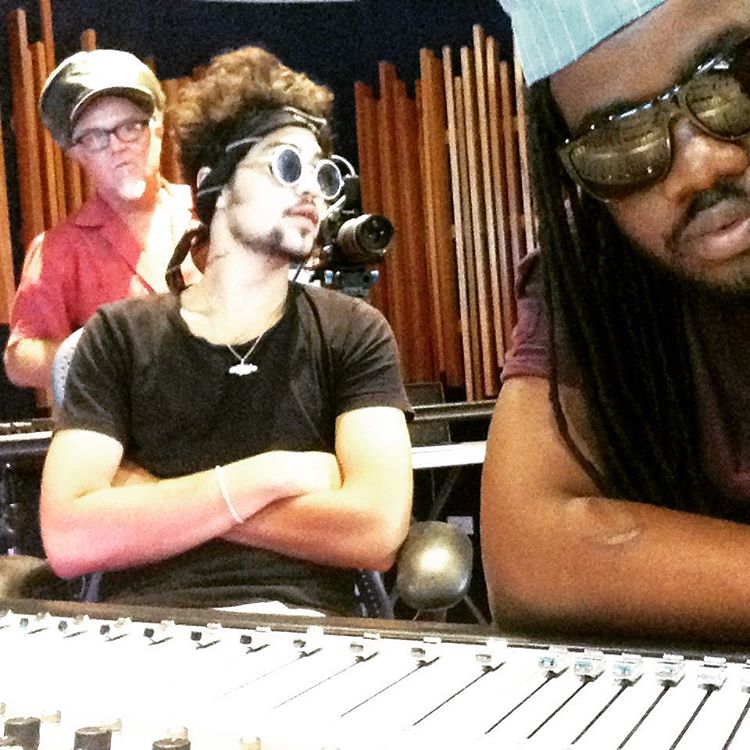
    Producers in a recording studio

    Explore More on DubCorner:

  • Blaze Mob ,  Rastafari Children (Lyrics)

    Blaze Mob , Rastafari Children (Lyrics)

    Blaze Mob continues to make waves in the international reggae scene with their latest anthem, “Rastafari Children.” This track, produced by our very own Dale Dizzle Virgo, is more than just a song, it is a powerful call to unity and a vibrant celebration of Rastafarian culture. Released officially on October 4, 2024, the track showcases the group’s signature blend of hard-hitting rhythms and deeply conscious lyrics.

    At DZL Records, we are committed to pushing authentic sounds that resonate with the soul, and “Rastafari Children” is a prime example of that mission in action. The collaboration between Blaze Mob and Dizzle highlights a shared vision for modern reggae: one that respects the roots while embracing technical excellence.

    The Message Behind the Music

    The track is a spiritual journey, led by the voices of Shaka Dennis, Gyasi Dennis, and Saeed Dennis. According to Shaka Rock of Blaze Mob, “Rastafari Children is our message to the world, reminding us all of our roots and the strength we find in unity.” In a world currently dealing with high levels of crime and violence, “Rastafari Children” offers a refreshing pivot toward love, joy, and spiritual grounding.

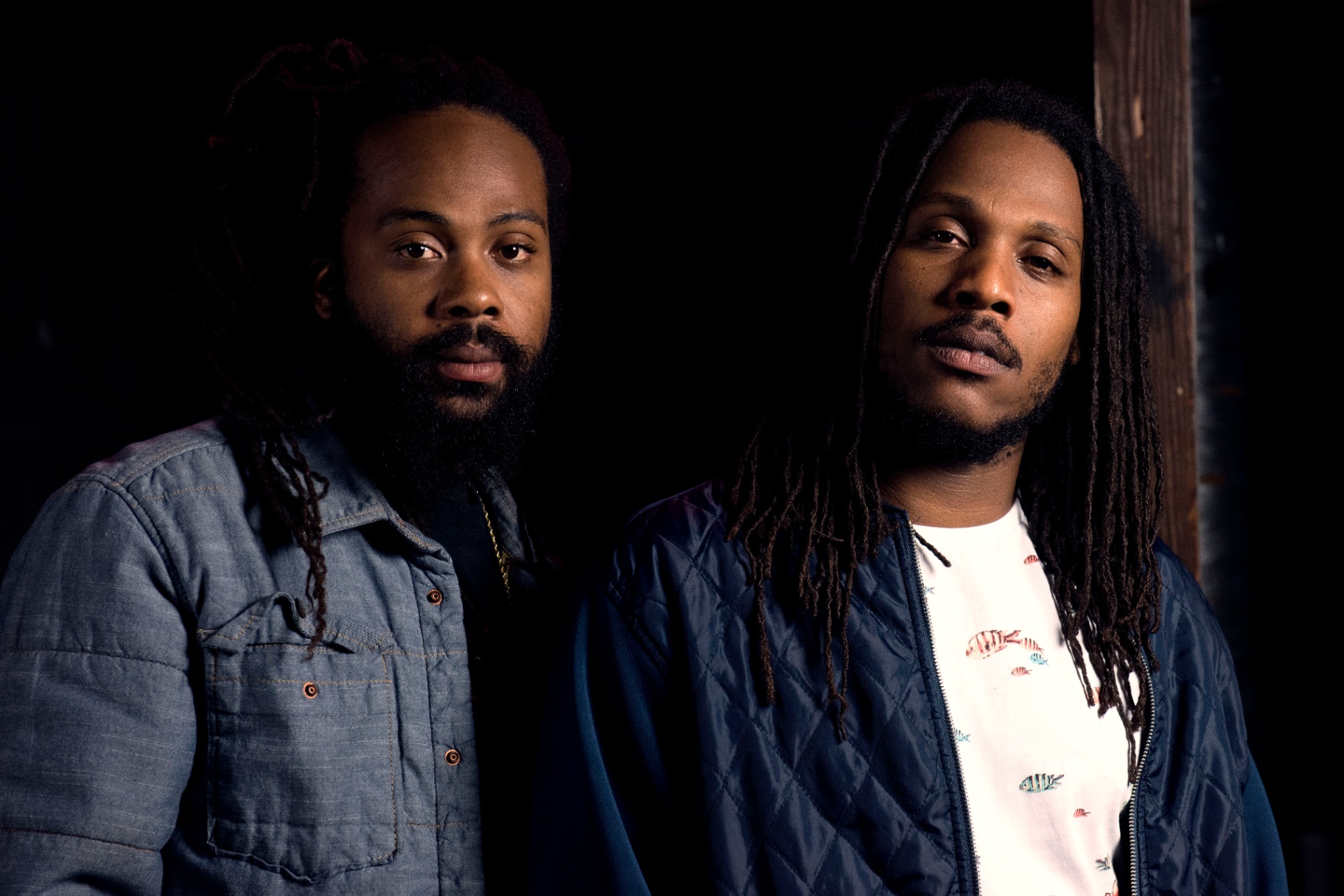
    Two male artists with dreadlocks stand against a dark studio background, showcasing a relaxed yet focused vibe.

    The song serves as a reminder that the path of righteousness is not always easy, but it is necessary. By invoking the name of His Imperial Majesty, Haile Selassie I, Blaze Mob connects the listener to a lineage of resilience and faith. The production emphasizes this with a steady, driving bassline that feels like a heartbeat, anchoring the ethereal melodies and the sharp, direct delivery of the verses.

    Lyrical Analysis: A Trod Pon Earth

    The lyrics of “Rastafari Children” are rich with symbolism and traditional Rastafarian terminology. When the group chants “Hail Him,” they are acknowledging a higher power and a spiritual king. The mention of “Nyabhingi children” refers to the oldest mansion of Rastafari, known for its focus on chanting, drumming, and the “livity” of the movement.

    In the first verse, the lyrics state: “When we a trod pon earth we in the highest of realms.” This suggests that despite the physical struggles of the world, the spiritual connection keeps the “children” elevated. The rejection of “Babylon”, often used to describe the oppressive systems of the modern world, is a central theme. Blaze Mob makes it clear that they are “not inna nothing with them,” choosing instead to melt away wickedness like fire against wax.

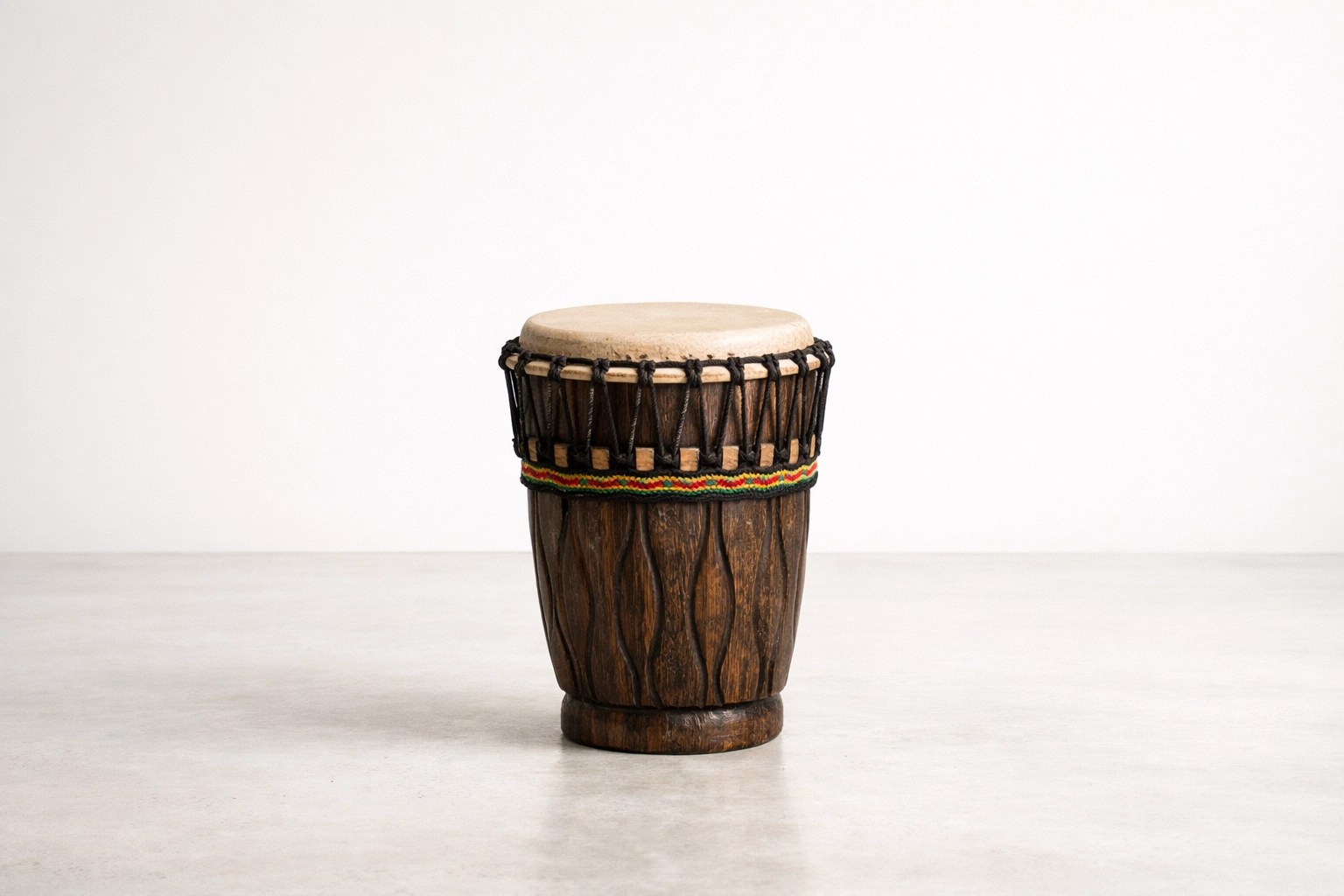
    A minimalist photo of a traditional Nyabhingi drum, symbolizing the spiritual roots of the track Rastafari Children.

    The reference to Addis Ababa, the capital of Ethiopia, further cements the song’s roots. It is a message sent from the heart of the movement to the rest of the world, spreading more love and more joy as a form of commendation for those who stay true to the path.

    The DZL Records Production

    Working with Blaze Mob on this project allowed Dale Dizzle Virgo to flex his expertise as a technical director and producer. The goal was to ensure that every “ad-lib” and every drum hit served the message. As the master behind the board, Dizzle’s job was to “color it”, taking the raw energy of the Dennis brothers and framing it in a way that sounds massive on any sound system, from Kingston to London.

    Independent artists looking to achieve this level of sonic clarity often turn to DZL Records for our artist development and music production services. We believe in providing the tools for artists to express their authentic selves without compromise.

    Three male artists with dreadlocks pose outdoors in casual attire, projecting a confident and authentic vibe.

    Rastafari Children (Full Lyrics)

    [Chorus]
    Hail Him, Hail Him, Hail Him
    Rastafari children calling
    I Said Hail Him, Hail Him, Hail Him
    Nyabhingi children calling
    I Said Hail Him, Hail Him, Hail Him
    Rastafari children calling
    I Say, ‘Hail him, hail him, hail him’
    Nyabhingi children calling

    [Verse]
    I man say Hail King Selassie I, a dat we a defend
    Bun out all wickedness and all heathen
    When we a trod pon earth we in the highest of realms
    Bun Babylon we no inna nothing with them
    Like fire against wax we say, so we melt them
    Ask Shaka Rock we no wrong fi meds dem
    Man straight like a arrow I have no time fi bend
    No mix me with Babylon no time fi dem
    Come make we fill up la la bella
    Rastafari children
    Middle of Addis Ababa that message a mi a send
    More love and more joy
    That we are commend
    Watch it make me chant it all again
    Again again

    [Chorus]
    Hail Him, Hail Him, Hail Him
    Rastafari children calling
    And a said Hail Him, Hail Him, Hail Him
    Nyabhingi children calling
    He said Hail Him, Hail Him, Hail Him
    Rastafari children calling
    Say, ‘Hail him, hail him, hail him’
    Nyabhingi children calling

    [Verse]
    No one shows us love like you
    Say Haile, keep me virtuous and so true
    Say Haile, no one shows us love like you
    Haile, keep I virtuous and so true
    Haile
    Seems there’s only one way to go (Go)
    And yes I’ve got to carry that heavy load (That load)
    One by one we will reach that goal (That goal)
    And I will never never sell my soul (Soul)
    No one shows us love like you
    Say Haile
    Keep me virtuous and so true
    Say Haile
    No one shows us love like you
    Haile
    Keep I virtuous and so true
    Haile

    Why This Release Matters

    “Rastafari Children” arrives at a time when the music industry is seeing a resurgence of roots reggae. Listeners are looking for more than just a catchy beat; they are looking for substance. Blaze Mob delivers this in spades. The second verse of the song touches on the “heavy load” that many feel today, but it offers a solution: staying virtuous and staying true to one’s soul.

    Rastafari Children Reggae Concert featuring three artists performing on stage with DJ equipment and large speakers.

    The group’s refusal to “sell their soul” is a powerful statement for any independent artist. It’s a commitment to authenticity that we champion at DZL Records. Whether you are listening on Spotify, YouTube, or Shazam, the message remains clear: the strength of the community lies in its roots.

    About Blaze Mob

    Blaze Mob is a collective of brothers who have dedicated their lives to the craft of music and the message of Rastafari. Their synergy is evident in every performance, whether in the studio or on a live stage. By combining their individual strengths, they create a sound that is cohesive, powerful, and undeniably “Blaze Mob.”

    Three male artists are featured in a black and white portrait shot, capturing a serious and focused vibe.

    Their work with DZL Records continues to push the boundaries of the genre. You can explore more of their collaborations and find their full discography by visiting the Blaze Mob Tunes with DZL page.

    Final Thoughts

    As “Rastafari Children” continues to climb charts and find its way onto roots-inspired playlists, we invite you to take a moment to really listen to the lyrics. There is a depth here that requires multiple listens: each time revealing a new layer of meaning or a new nuance in the production.

    If you are an artist inspired by this sound and looking to develop your own project, check out our sitemap to see the range of services we offer. From technical direction to creative branding, DZL Records is here to help you “color” your music and reach your goal without ever selling your soul.

  • Operation Epic Fury: The 2026 Middle East Meltdown Explained

    Operation Epic Fury: The 2026 Middle East Meltdown Explained

    The world woke up to a different map today. March 1, 2026 — publishing day — marks the moment the long-simmering "shadow war" between the West and Iran exploded into a full-scale regional meltdown. It’s called Operation Epic Fury. If you’ve been scrolling through social media or catching the fragments of news between internet blackouts, you know the vibe is heavy. This isn't just another headline; it’s a tectonic shift in global stability, and it’s hitting the music and culture world just as hard as the geopolitical one.

    At approximately 7:00 AM local time, a massive joint military campaign led by the United States and Israel launched a coordinated strike across Iran. The goal was simple, according to the 2:00 AM TruthSocial post that started it all: dismantle the nuclear program, erase the missile arsenal, and trigger a regime change from the inside out.

    But as the smoke rises over Tehran, the fallout is reaching every corner of the globe. From cancelled world tours to a sudden, desperate surge in protest music, the "Serious Times" Gyptian sang about years ago have arrived with a vengeance.

    The Strike: Decapitation and Chaos

    Operation Epic Fury didn't hold back. Unlike the surgical strikes of 2025, this was a sledgehammer. Reports are still flooding in, but the big one is the rumored death of Supreme Leader Ali Khamenei. And right after that—people on the ground and online started calling it "Liberation Night": that messy, electric stretch of hours where the power flickers, the rumors fly, and a whole country holds its breath waiting to see what comes next. While official confirmation is caught in a web of propaganda and 46% internet connectivity drops across Iran, the impact is undeniable. Leadership centers were leveled. Missile production sites are in ruins.

    Military drones over a Middle Eastern city at dawn symbolizing the 2026 cyber-blackout and strikes.

    The strategy was a total blackout. Cyber operations went live alongside the kinetic strikes, effectively cutting the Iranian people off from the world while the missiles landed. Trump’s rhetoric has been clear: he’s calling for the citizens to take the country back. But when the dust settles, the question remains: who is left to pick up the pieces?

    The Retaliation: True Promise 4

    Iran didn’t just sit and watch. Within hours, "Operation True Promise 4" was initiated. We aren't just talking about a few drones this time. We’re talking about a multi-front missile barrage hitting Israel and stretching into the Gulf states.

    Explosions have been reported in the UAE, Bahrain, Qatar, and Saudi Arabia. This is the moment the neutrality of the region dissolved. Countries that were trying to play both sides: the Saudi Arabias and UAEs of the world: are now signaling that they will defend their security by any means necessary. For the music industry, this means the booming luxury entertainment hubs of Dubai and Riyadh are effectively dark. Airspaces are closed. Iraq and the UAE have grounded everything.

    The Cultural Impact: Days of Ash

    When the world burns, the artists are the first to feel the heat. U2 just dropped their 'Days of Ash' EP: a raw, frantic response to the escalation. It’s the sound of a world realizing the old rules don't apply anymore. But while the mainstream catches up, the roots have been speaking this truth for years.

    At DubCorner, we’ve always leaned into the music that acts as a mirror to society. Right now, the frequency is shifting back to the foundations. We’re seeing a massive resurgence in tracks that deal with the "World Crisis."

    World Crisis - Blaz Mob Album art

    This is the energy we’re living in. The Blaze Mob Rastafari Children vibe is more than a song; it’s a survival manual. When you look at that album art: the cracked Earth, the military tanks, the displaced people: it looks less like a creative concept and more like a live feed from the Middle East today.

    Why This Works: The Prophetic Voice of Reggae

    There’s a reason people are turning back to the heavy hitters. In times of war, "bubblegum" pop feels like an insult. You need something with grit. You need the wreckage.

    Serious Times (Gyptian)
    The lyrics are hauntingly accurate right now. “Serious times, these are some serious times.” It’s a simple declaration, but it carries the weight of the spiritual transmission we need. It’s about the lack of love, the rise of the beast, and the feeling that we are witnessing the fulfillment of a long-predicted chaos.

    World Crisis (Blaze Mob)
    This track hits because it doesn't sugarcoat the geopolitical reality. It’s built on the tension of the streets and the high-level chess games played by world leaders that leave the rest of us in the dust. It understands the "World Crisis" isn't just a military event; it’s a humanitarian disaster.

    A reggae sound system stands resilient amidst smoke and war debris, symbolizing music as a spiritual shield.

    Music is our way of processing the "Operation Epic Fury" madness. It’s how we find the "Upful Vibes" in a world that feels increasingly downcast. You can check our Upful Vibes Playlist for the sounds that are keeping us grounded right now.

    The Spiritual Importance of the Sound

    We have to talk about the spiritual side of this. Music isn't just a distraction; it's a frequency. In the middle of air raids and cyber-attacks, the vibration of a roots reggae bassline or a hard-hitting dancehall track is a form of resistance. It’s about maintaining a human connection when the internet is at 46% and the missiles are at 100%.

    The displacement we’re seeing: refugees moving across borders, families separated by airspace closures: is a story as old as time. The artists who capture this, like those featured on DZL Records, understand that social injustice isn't a localized problem. It’s a global epidemic.

    What Happens Next?

    The "shadow conflict" is over. We are in the era of overt state-level military engagement. The price of oil is spiking, the "World Crisis" is deepening, and the map of the Middle East is being redrawn in real-time.

    For those of us in the creative space, the mission is clear: keep the cameras rolling and the microphones live. We need to document the "Days of Ash" so we can remember how to build back better. Whether it's Rick Elgood capturing the raw energy on-location or producers in the studio trying to make sense of the noise, the work doesn't stop.

    DubCorner On-Location Music Video Shoot

    Stay safe, stay tuned to the frequencies that matter, and keep the music playing. The world is loud right now, but the message is louder.

    Bless up,

    Dizzle
    Label Manager / Technical Director, DubCorner
    March 1, 2026


    Explore More: