A reality-TV cameo can last seconds, but the work behind a recording session carries a much longer history.
During Season 4 of Black Ink Crew: Chicago, Phor’s Jamaica storyline brought viewers into a studio at Geejam in Portland, where Dale Dizzle Virgo appears behind the console. The scene is brief. The story behind it reaches through Jamaican studio culture, reggae and dancehall production, international recording sessions, and the quiet technical decisions that turn an artist’s idea into a usable record.
What the Black Ink Crew Chicago Jamaica scene shows
The Jamaica arc unfolds across Season 4 episodes “All Phor One” and “The Last Supper.” Paramount’s official episode guide places Phor and the 9MAG crew in Jamaica for the first episode, with the storyline continuing into the second as Phor’s hoped-for performance becomes complicated.
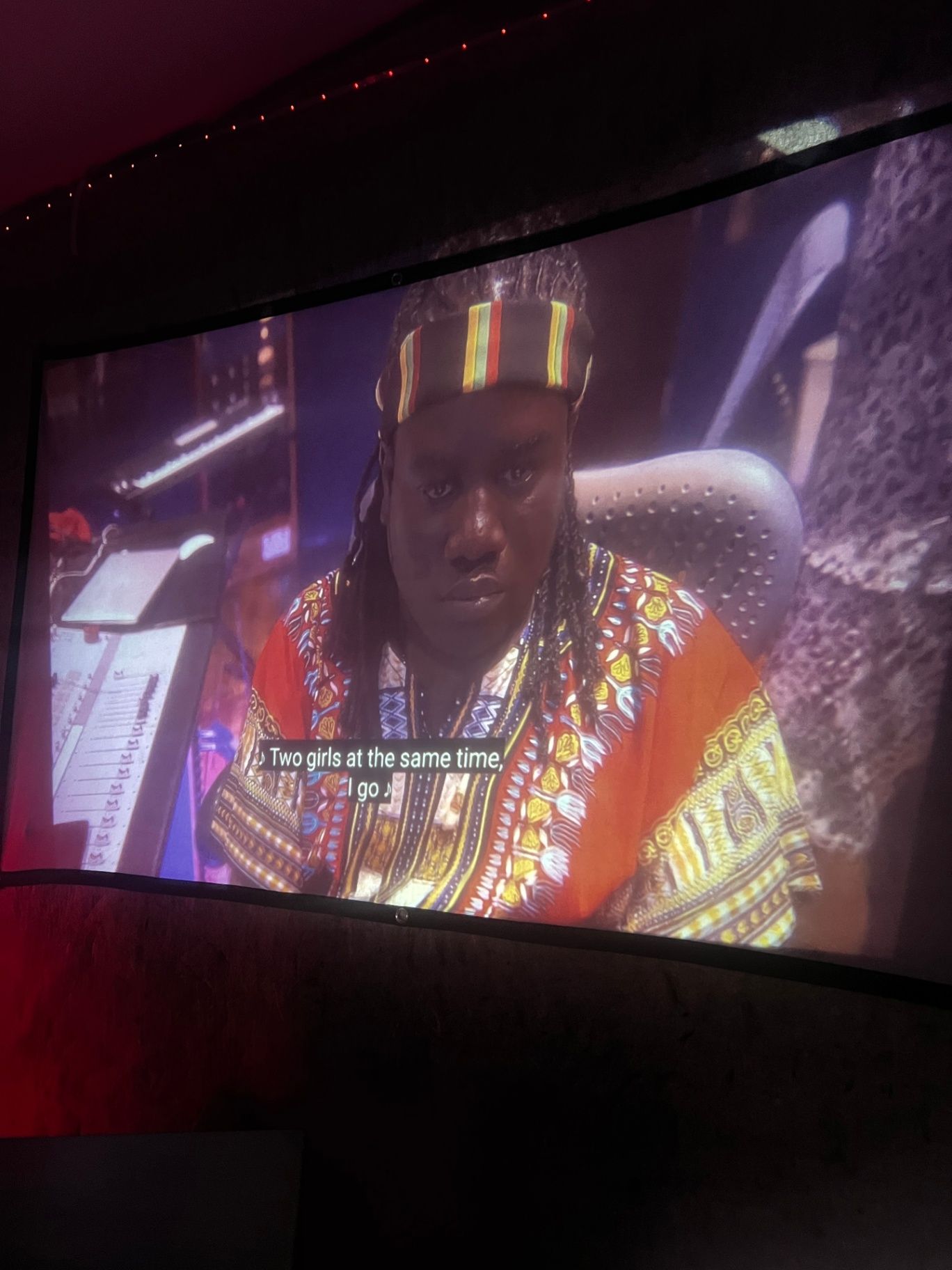
The supplied screenshots from the scene show Dale working at the studio console during Phor’s recording session. That visual matters because it places an experienced Jamaican engineer inside a piece of music television that most viewers would naturally read through Phor’s storyline. The show focuses on the artist, the trip, and the surrounding drama. The engineer is part of the machinery that makes the music moment possible.
That is the difference between being visible and being explained.
The screenshots do not, by themselves, establish every detail of the session’s production history. The official episode listings identify the Jamaica episodes but do not provide a full studio-credit breakdown. The connection between Dale, the Geejam room, and the filmed Phor session is therefore presented here from the supplied account and images, with the episode and production credits still requiring final verification against official broadcast materials.
Even with that distinction, the scene opens the right door. It shows the person responsible for keeping the room moving while the artist works.
Geejam Studios is more than a backdrop
Geejam is located in Portland, on Jamaica’s northeastern coast, far from the concentrated studio traffic of Kingston. Its identity comes from that distance. The facility combines residential accommodation, recording rooms, writing spaces, and the isolation artists often need when a song is still taking shape.
According to Geejam Studios’ official description, the property includes three recording facilities alongside villas, guest rooms, and additional writing-room setups. The studio has hosted sessions connected with artists including Drake, Amy Winehouse, Florence + the Machine, Harry Styles, Kendrick Lamar, The Jolly Boys, Popcaan, Sean Paul, and others.
That roster tells only part of the story. A destination studio is not useful simply because it has a famous client list or a beautiful setting. The room has to function. Equipment must be ready. Monitoring has to translate. Microphones have to be chosen and placed. Files must be organized. The artist has to feel that the session is under control without feeling controlled.
Geejam’s environment brings together international music business expectations and Jamaican creative instincts. A visiting artist may arrive with a label team, an outside producer, or a rough vocal idea. The local engineer becomes the bridge between that outside process and the reality of working in Jamaica.
That bridge was central to Dale Virgo’s role.

Dale Dizzle Virgo’s role behind the boards
Dale Dizzle Virgo is a Jamaican-born, Los Angeles-based producer, recording engineer, musician, and creative director. His professional background includes reggae and dancehall-rooted production, artist development, vocal coaching, arrangement, and collaborative songwriting.
He worked at Geejam Studios as an in-house producer and engineer, with additional responsibilities described in supplied career materials as technical director, creative director, and studio manager. Professional profiles place his Geejam tenure at roughly a decade, beginning in 2008.
Those job titles can sound broad until you understand what a working session demands. An engineer is not simply pressing record. The engineer manages signal flow, gain structure, headphone mixes, microphone choices, session files, playback, and the relationship between the control room and the live room. A producer may shape the arrangement, challenge a lyric, suggest a harmony, coach a vocal, or recognize that the strongest take is not the most polished one.
In a reggae or dancehall-rooted session, feel is never a minor detail. The pocket has to breathe. The vocal has to sit inside the riddim rather than float above it. A hook may need more space, a verse may need a different cadence, or a backing vocal may need to answer the lead with the right amount of pressure.
The work is technical, but it is also social and musical. The engineer has to hear what the artist is trying to say before the artist always knows how to describe it.
That is what the Phor scene represents beyond the television frame. Dale is not there as decoration. He is part of the session’s operating system.
From Jamaican studio culture to international sessions
Dale’s supplied biography and professional credits associate him with recording and production work connected to a wide range of Jamaican and international artists. Those associations include sessions linked to Drake’s Thank Me Later era, Kendrick Lamar’s DAMN. era, Amy Winehouse, Florence + the Machine, Harry Styles, and The Jolly Boys.
The wording matters. These credits should be understood as reported or profile-based associations, and individual roles vary. An assistant engineer, tracking engineer, mixing assistant, producer, and studio manager do not perform the same job. Naming the correct role is part of respecting the work.
His SoundBetter profile describes him as a producer, musician, and engineer who spent ten years as Geejam’s in-house producer. It also associates him with work involving Drake, Amy Winehouse, The Jolly Boys, Cecile, CeeLo Green, Snoop Lion, Alicia Keys, John Legend, Florence + the Machine, Major Lazer, and Santigold.
The supplied biography also attributes early production and collaboration history connected to Rihanna’s A Girl Like Me era, Gyptian, and Christopher Martin. Those claims belong in the category of supplied credits and collaborations rather than blanket statements that he produced an entire album or project.
This distinction does not reduce the importance of the work. It makes the account more accurate.
A large international record is usually built from many hands: artists, songwriters, producers, engineers, assistants, mixers, vocal coaches, musicians, and studio staff. The final release may carry one artist’s name, but the process is collective.
The invisible decisions that shape a session
When people watch an artist in a studio, they often look for the obvious drama: the breakthrough vocal, the argument, the playback, the moment when a song suddenly takes form.
The engineer is listening for different things.
Is the microphone catching the artist’s full presence? Is the vocal too close to the preamp? Is the monitoring causing the singer to push too hard? Does the chorus need another pass, or does another pass risk taking the life out of it? Is the arrangement crowded? Does the beat leave enough room for the lyric?
These decisions happen quickly. Sometimes the right move is to change a microphone. Sometimes it is to mute half the track. Sometimes it is to tell the artist to stop chasing perfection and keep the take with the rough edge.
Jamaican music has always valued the human texture inside the recording. The drum, bass, guitar, percussion, voice, and room must feel connected. Dale’s career sits inside that tradition while also moving through pop, hip-hop, electronic production, and international studio work.
His work with The Jolly Boys is a clear example of that balance. The group’s mento lineage demands respect for live feel and instrumental character, while modern production requires structure, clarity, and deliberate sonic choices. That kind of work is not about choosing between old and new. It is about knowing what the record needs.
Why engineers deserve a visible place in music history
The Phor studio session is useful because it makes the engineer visible, even if the show does not pause to explain his background.
That omission happens often. Artists become the face of the moment. Producers may receive a credit. Engineers are left in the metadata, if they are named at all.
But the engineer shapes the conditions under which the music can exist. The work touches the technical and emotional sides of recording at once. A clean signal is not enough. A session can be perfectly routed and still fail if the artist does not trust the room.
Dale’s Geejam story reflects that fuller definition of production. It includes technical discipline, musical judgment, cultural fluency, and the ability to work with artists arriving from different countries, genres, and creative habits.
The console is only the visible object. The real work is everything happening around it.
The cameo is a portal, not the whole biography
For viewers of Black Ink Crew: Chicago, Dale may first register as the engineer behind Phor’s Jamaica recording session. That is the entry point, not the conclusion.
The deeper story is a Jamaican producer and engineer moving through the island’s studio ecosystem, working inside Geejam’s international environment, and carrying reggae and dancehall instincts into sessions with artists from across the global music industry.
His later independent work through DZL Records fits naturally into that progression. The studio may change. The client may change. The technology may change. The central responsibility stays the same: help the artist find the record.
That is what the Geejam cameo reveals when the frame is widened. Not a manufactured television moment. Not an excuse for unsupported superlatives. A working engineer, in a real studio environment, doing the job that makes the scene possible.
DubCorner verdict
Dale Dizzle Virgo’s appearance in the Black Ink Crew: Chicago Jamaica sequence deserves to be read as a small piece of a much larger studio story. The screenshots show him at the console with Phor. His supplied biography and professional profiles place him within Geejam’s production culture and connect his work to reggae, dancehall, international pop, hip-hop, and roots-oriented projects.
The important point is simple: the cameo shows the room, but Dale’s career explains why the room works.
For more DubCorner coverage of artist careers, production, and Caribbean music culture, visit our Music News, browse Artist Updates, or explore the Dale Virgo author archive.
Category: Music / Industry / Producer Profiles
Status: Draft
Source and context note
This draft is based on the manager-supplied screenshots and career information, alongside the official Geejam Studios website, the Paramount+ Season 4 episode guide for Black Ink Crew: Chicago, Dale Virgo’s SoundBetter profile, and a Tape Op interview with Geejam founder Jon Baker. The episode appearance, studio location, and specific production credits should be verified against official broadcast materials and artist or production records before publication.


